There’s a particular kind of dread that sets in the moment you decide to part with some of your collection: the fear that a shop will glance at your long box, name an arbitrary number, and leave you wondering if you’ve been shortchanged on comics you spent years hunting down. That anxiety is fair. Most collectors have heard a story, or lived one, where a trade-in offer felt more like a guess than a proper assessment.
The good news is that trade-in outcomes are rarely random. A shop that takes Marvel comics seriously works from condition, sustained demand and realistic resale value, not a mood or a hunch. If you are planning to trade in Marvel comics you no longer read or have duplicates of, a bit of preparation on your end makes the whole process faster and the final offer far easier to understand, whether you are clearing shelf space, funding new pulls, or simply deciding your collection has outgrown its original purpose.
Why Collectors Trade In Their Comics in the First Place
Trade-in rarely starts with wanting cash. More often it starts with a collection that has quietly outgrown its owner: duplicate copies from set upgrades, runs that no longer fit a narrower focus, or comics inherited from someone else’s collecting years. Some collectors are consolidating before a move; others are simply being honest that comics sitting untouched in a cupboard are doing them no good there. Shop credit, typically valued higher than a straight cash payout, tends to suit collectors who plan to keep buying Marvel titles anyway.
Start With an Honest Look at Condition
Before anything gets boxed up, it helps to look at your comics the way a specialist will: with a critical eye rather than a sentimental one. A book you remember as pristine may carry a spine tick, a faint reading crease, or a subscription crease near the corner that you stopped noticing years ago. None of these make a comic worthless, but they do affect where it lands on a grading scale, and a conservative, transparent assessment will flag them instead of glossing over them.
It helps to get familiar with how grading actually works before you arrive. CGC’s published grading scale sets out the difference between a Near Mint copy and one that is merely Very Fine, and understanding those bands in advance means fewer surprises when a staff member points out why a particular book graded lower than you had hoped. Raw, ungraded comics are assessed on the same principles, simply without a certification number attached.
None of this is about being harsh on your own collection. It is about giving a shop accurate information upfront, so the offer you receive reflects the comics you actually have, not the ones memory has quietly upgraded over the years.
Getting Long Boxes Ready Before You Bring Them In
A little preparation on your end goes a long way towards a smoother trade-in. Before you head to the shop:
- Re-bag and re-board anything that has been sitting loose, using acid-free materials instead of whatever was on hand at the time.
- Keep variant covers and ratio pulls separate from standard printings, since they are assessed differently.
- Leave any restoration, pressing or cleaning to professionals, and disclose it honestly if any has already been done.
- Group comics loosely by title or run, which speeds up the counter assessment considerably.
- Hold onto any certificates, receipts or provenance notes you have for older or higher-value books.
Singapore’s humidity does newsprint no favours. The US Library of Congress’s own preservation guidance recommends keeping paper collections cool, dry and away from direct light, conditions our tropical climate does not provide for free. If your storage habits need an overhaul, our guide to getting comic collection storage right covers the archival basics.
What Actually Happens at the Counter
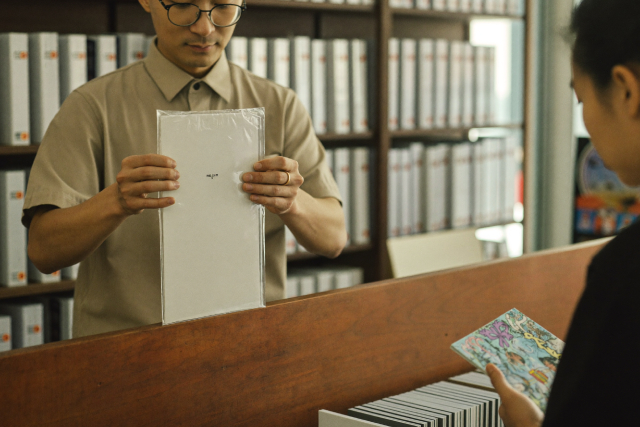
When you bring comics in, a specialist shop will typically go through your books one at a time, checking for the defects covered above alongside printing, edition and variant status. Pricing reflects sustained market value, not whatever a title spiked to during a recent film announcement, which protects you from an offer that is either inflated on hype or unfairly low because a trend has cooled. You will usually be offered a choice between shop credit and cash, with credit typically valued higher since it keeps the value within a collecting relationship instead of converting it to cash outright. Neither option is wrong; it depends on whether you are funding your next pull list or genuinely stepping back.
Common Reasons an Offer Comes In Lower Than Hoped
Tape on a spine, however old, is one of the fastest ways to knock value off an otherwise solid book. So is trimming, water staining, or a missing centrefold only noticed once someone opens the book flat. None of these are dealbreakers on their own; they are simply factored honestly into the offer, instead of being discovered after a sale and disputed later.
Subscription creases are a quieter culprit. Many Bronze and Modern Age comics were mailed flat to subscribers and picked up a faint horizontal crease across the cover that’s easy to miss under normal light. It rarely ruins a book, but a careful assessment will note it, and so should you. The more accurately you can describe your collection going in, the less friction there is when an issue comes back lower than expected.
None of this is meant to catch you out. It simply keeps every offer explainable, so you leave with a number you understand instead of one you have to take on faith.
Trading in part of a collection can feel like handing over something more personal than its price tag suggests. Going in with a realistic sense of condition, a little preparation and reasonable expectations makes the whole process considerably less stressful, and it helps to have that conversation with people who see your comics as a fellow collector’s, not just stock on a shelf. If you are weighing up a trade-in or simply want an honest opinion on what you are holding, get in touch with our team.
Frequently Asked Questions
Will I get more for my comics as shop credit or cash?
Shop credit is typically valued higher than a cash payout, since it keeps the value within future purchases instead of converting it outright. Which suits you better depends on whether you are planning to keep collecting.
Do my comics need to be CGC graded before a trade-in?
No. Raw, ungraded comics are assessed using the same grading principles CGC applies, just without a certification number attached. Comics that are already slabbed are simply verified against their existing grade.
What condition issues affect a trade-in offer the most?
Tape, trimming, water damage and undisclosed restoration tend to have the biggest impact. Minor defects such as subscription creases or light spine stress are factored in more gently, provided they are disclosed upfront.
Can I trade in a mixed collection of new releases and older back issues?
Yes. Each comic is assessed individually against its own condition and demand, book by book, regardless of how mixed the collection is.
How long does a trade-in assessment usually take?
It depends on the size of your collection, but a modest stack of comics can usually be assessed and given an offer during the same visit.