So you’ve watched lots of the Marvel films, fallen in love with some of their popular characters, and decided it’s time to read the source material. There’s only one problem: where on earth do you begin? Good news: you’re not alone, and it’s genuinely easier than it looks once you know a handful of basics. This guide walks you through everything a new collector needs so you can dive in with confidence instead of overwhelm.
Where Do I Even Start with Marvel Comics?
Honestly? Just pick one thing and start there. Marvel has published over 45,000 comics since it began, and that number alone is enough to make anyone’s head spin. The trick is realising that Marvel was never meant to be read like a single, continuous story from issue one onwards. In fact, it’s really a huge collection of smaller, mostly self-contained runs and arcs that occasionally wave at each other across the wider universe.
A lot of new readers get stuck before they’ve even opened a comic, trying to map out the “correct” order or figure out how everything connects. It’s best to let that go. You don’t need a syllabus, and there’s no test at the end. Instead, treat every run or story arc as its own little adventure. If a reference to a past event or another hero pops up and you don’t recognise it, that’s completely normal; think of it as a fun little Easter egg rather than a gap in your knowledge. You can always look it up later, or just enjoy the moment and move on.
Which Marvel Comics Should I Read First?
The easiest way in is to pick a character or team you already like and hunt down their most popular or critically loved story rather than the oldest issue on record. Loved Spider-Man in the films? Look up acclaimed Spider-Man runs. Obsessed with the Guardians of the Galaxy? Same idea. Starting with a fan-favourite story gives you the best shot at getting hooked quickly instead of wading through decades-old writing and art styles that can feel a bit dated to modern readers.
It’s worth saying: older comics aren’t bad, they’re just an acquired taste, and they’re not always the friendliest entry point. Creative teams also change constantly in comics — writers and artists rotate, origins get retold, characters get reinvented — so there genuinely isn’t one single “correct” starting point for most heroes.
Many Marvel fans agree that the best approach is simply to read a few issues, notice what you enjoyed (maybe it was the art style, a particular writer’s humour, or just the story itself), and let that steer your next purchase. Comic collecting rewards curiosity far more than it rewards a rigid plan.
What’s the Difference Between Comic Formats?
Once you start browsing, you’ll notice comics come in a few different shapes and sizes, so here’s the quick breakdown:
- Single issues (also called floppies or monthlies) are short, roughly 22-page instalments released weekly or monthly. You can think of them like individual episodes of a TV show.
- Trade paperbacks (TPBs) are softcover books that bundle two or more single issues together. These tend to be the best format for beginners thanks to their lower cost, sturdier build, and easier availability.
- Standard hardcovers are essentially a hardback version of a trade paperback.
- Oversized hardcovers are a larger format, often collecting two smaller trades into one bigger book.
- Omnibus editions are the big leagues — oversized hardcovers collecting fifteen or more issues, usually gathering a writer or artist’s entire run on a title.
If you’re just starting out, trade paperbacks are usually your best bet. They’re cheaper per issue, easier to store, and give you a complete chunk of story in one go rather than leaving you on a cliffhanger every 22 pages.
Where Can I Buy Marvel Comics?
You’ve got three main routes when it comes to buying Marvel comics in Singapore: your local comic shop, online retailers, or digital platforms.
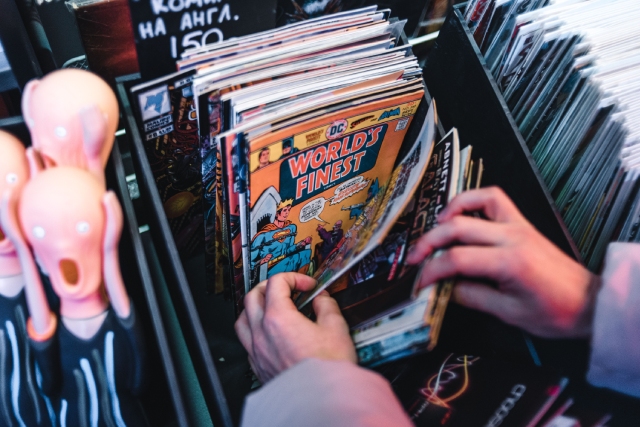
Popping into a local shop is honestly one of the best things you can do as a new collector. You get to flip through back issues in person, ask staff for recommendations, and build a relationship with people who genuinely know their stuff (and who can hold new releases for you every week — more on that shortly). If you can’t get to a shop easily, online retailers are a solid alternative, since the internet gives you access to everything from the newest releases to rare vintage editions you’d struggle to find locally.
Prefer to test the waters before committing to physical copies? Digital subscription services let you read huge back catalogues of Marvel comics for a monthly fee, which is a brilliant way to sample different characters and eras before you decide what’s worth collecting in print. And if you do go the in-store route, keep in mind that new comics typically land in shops on Wednesdays — often nicknamed “New Comic Book Day” by the community, so it’s worth popping in if you want the first pick of the week’s releases.
How to Store and Protect Your Comics
Comics aren’t exactly built like tanks. Cheap paper and a lot of handling means they can wear down faster than you’d expect. Luckily, protecting them is simple and inexpensive. The two essentials are polyethylene bags and acid-free boards. The bag keeps dust, moisture, and fingerprints off the pages and stops ink transferring between books, while the acid-free board slips inside to keep the comic flat and prevent it from bending or creasing.
Single issues need both a bag and a board, since they’re thinner and more prone to warping. Thicker collected editions, like trade paperbacks and hardcovers, are generally sturdy enough that a bag alone will do the job. Once your collection starts growing, a proper storage box designed for comics is a worthwhile investment as it keeps everything upright, organised, and out of direct sunlight, which over time can fade covers and yellow pages.
How Much Should I Budget for Comic Collecting?
Here’s a tip that’ll save your wallet: start small. New single issues often cost several dollars each, and that adds up fast if you’re following five or six ongoing series at once. Most seasoned collectors recommend picking just one or two monthly titles to begin with, then expanding once you’ve got a feel for your budget and reading pace.
A great habit to pick up early is asking your local comic shop about a pull list. This is essentially a standing order — you tell the shop which titles and issues you want, and they set them aside for you each week so you never miss a release or have to compete for the last copy on the shelf. It’s a simple way to keep your spending predictable while also building a relationship with your shop, which often comes with its own perks down the line.
What Do Terms Like “Key Issue” and “NM” Actually Mean?
As you spend more time browsing, you’ll start seeing terms like “key issue” and condition grades like “NM” or “VF” on price tags. A key issue is simply a comic considered especially important in a character’s history, usually because it features a first appearance, a major death, a landmark storyline, or some other moment that fans and collectors consider significant. These issues tend to hold their value better than a typical single issue, and sometimes become genuinely valuable over time.
Condition matters too, and you’ll often see it shortened to letter grades on ungraded or raw comics: NM (Near Mint), VF (Very Fine), FN (Fine), and so on, working down from barely-touched to well-loved. The better the condition, the higher the price tends to be. You don’t need to memorise every grade as a beginner, but it’s handy to know the basic idea, since it feeds directly into the next couple of topics.
What Are Variant Covers and Ratio Variants?
Once you’ve settled into the hobby a bit, you’ll start noticing that some issues come with more than one cover option. These are called variant covers, and they’re simply alternate artwork for the exact same story inside. Some variants are freely available to buy, but others known as ratio variants are trickier to get hold of.
A ratio variant is printed based on how many copies of the standard cover a shop orders. For example, a 1:25 variant means a shop typically needs to order twenty-five copies of the regular cover before they’re eligible to receive one copy of that special variant. The bigger the ratio, the rarer and usually pricier the variant becomes.
It’s worth knowing that a high ratio doesn’t automatically mean a book is valuable long-term; the artist’s popularity, the character involved, and overall demand all play a part too. There’s absolutely no pressure to chase these as a new collector since they’re more of a fun rabbit hole to explore once you know what you enjoy collecting.
What Does CGC Grading Mean, and Should I Get My Comics Graded?
Finally, a term you’ll almost certainly come across if you spend any time in collecting communities: CGC grading. CGC (Certified Guaranty Company) is a third-party service that inspects a comic’s condition, assigns it a precise numerical grade, and then seals it in a protective plastic case, often called a “slab.”
The grading scale runs from 0.5 (Poor) all the way up to a nearly mythical 10.0 (Gem Mint), with 9.8 generally considered the top realistic grade most modern comics can achieve. Getting a comic graded protects it from further wear, confirms it’s authentic, and can boost its resale value, particularly for key issues or sought-after ratio variants. That said, grading isn’t something a beginner needs to worry about straight away. It’s really a tool for when you’ve got a comic you suspect is genuinely valuable and want to preserve or sell it with confidence. Think of it as a “someday” step rather than a starting requirement.
Ready to Turn the Page on Your Own Collection?
And that’s it — you’ve now got everything you need to go from curious onlooker to confident first-time collector. Remember, there’s no single “right” way to collect Marvel comics. Some people chase key issues, some just want a shelf full of stories starring their favourite hero, and plenty of people happily do a bit of both. The only real rule is to collect what makes you happy.
If you’re still not sure where to begin, or you’d like a hand tracking down a great first read, our team is always happy to help. Get in touch with us today and we’ll point you in the right direction.
Frequently Asked Questions
Do I need to read Marvel comics in order to understand them?
Not at all. Most Marvel stories are written to stand fairly well on their own, so you can jump in with a popular, acclaimed run for your favourite character rather than starting from the very first issue ever published.
What’s the cheapest way to start collecting Marvel comics?
Trade paperbacks are usually the most cost-effective entry point, since they bundle several issues into one book at a lower overall price than buying the same story as individual single issues. Digital subscription services are also a low-cost way to sample lots of comics before buying physical copies.
How do I stop my comics getting damaged?
Store single issues in a polyethylene bag with an acid-free board for support, and keep collected editions like trades and hardcovers in a bag alone. Keeping your collection out of direct sunlight and somewhere reasonably dry will also help the covers and pages last far longer.
What is a “key issue” in comic collecting?
It’s a comic considered particularly significant to a character’s history, such as a first appearance, a major death, or a landmark storyline. These issues are generally more sought-after by collectors and tend to hold their value better than a typical issue.
What does a 1:25 or 1:50 variant actually mean?
It refers to how many standard copies a shop had to order to receive one copy of that special cover. A 1:25 variant means a shop needed to order twenty-five regular copies to get one variant, making it rarer — and usually pricier — than an easily available cover.
Is it worth getting my comics graded by CGC straight away?
Not usually, especially as a beginner. Grading is best saved for comics you believe are genuinely valuable, such as key issues or hard-to-find variants, since it’s mainly about preserving condition and boosting resale confidence rather than something every comic needs.